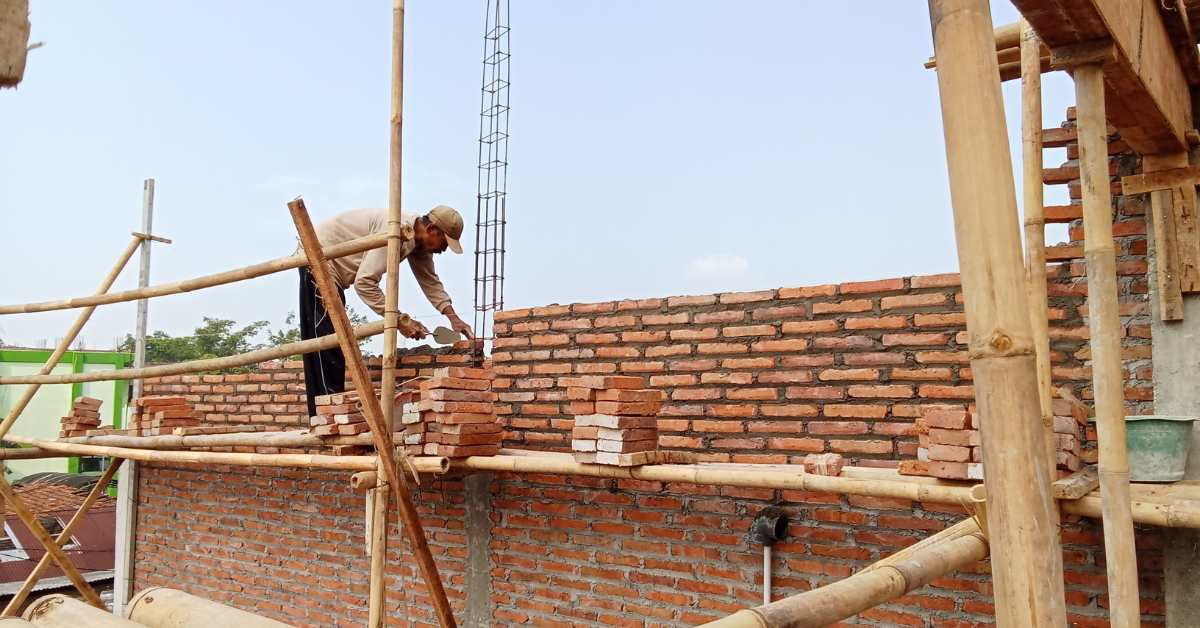

Building Modern Homes with Residential Construction Auckland Experts
Understanding the Value of Residential Construction in Auckland
Residential construction in Auckland plays a vital role in shaping comfortable, functional, and aesthetically pleasing homes for modern living. With a growing population and increasing demand for personalized housing, professional builders are focusing on delivering tailored solutions that meet individual needs. A well-executed residential construction project not only enhances lifestyle quality but also increases long-term property value. From architectural design to final finishing, every stage requires precision, expertise, and thoughtful planning to achieve the desired outcome.
Homeowners often seek experienced professionals who can translate their vision into reality without compromising on quality. The importance of working with trusted experts becomes evident when considering factors like structural integrity, compliance with regulations, and efficient project management. By choosing the right construction team, one ensures a seamless experience from concept to completion.
Why Choose Professional Residential Builders
Expertise and Experience Matter
Professional builders bring years of industry experience, technical knowledge, and practical insights to every project. They understand local building codes, environmental conditions, and material selection, ensuring that each home is built to last. Their expertise helps avoid costly mistakes and ensures that construction timelines are met efficiently. Skilled builders also provide valuable recommendations that improve both design and functionality.
Access to Quality Materials
Established construction companies have access to high-quality materials at competitive prices. This ensures durability, safety, and aesthetic appeal in every aspect of the home. From foundation materials to interior finishes, professionals prioritize quality to deliver long-lasting results. They also maintain relationships with trusted suppliers, ensuring consistent availability of premium resources.
Efficient Project Management
Managing a construction project involves coordinating multiple tasks, including planning, budgeting, labor management, and inspections. Professional builders streamline this process by implementing structured workflows and maintaining clear communication. This minimizes delays, reduces stress, and ensures that the project stays within budget.
Key Phases of Residential Construction
Planning and Design
The planning phase is crucial in determining the success of a construction project. It involves defining goals, setting budgets, and creating detailed architectural plans. During this stage, homeowners collaborate with architects and designers to develop layouts that reflect their lifestyle and preferences. Proper planning ensures that all aspects of the project align with expectations.
Site Preparation and Foundation
Once the design is finalized, the construction process begins with site preparation. This includes clearing the land, leveling the ground, and setting up necessary infrastructure. The foundation is then laid, forming the base of the entire structure. A strong foundation is essential for ensuring stability and longevity.
Structural Construction
This phase involves building the framework of the home, including walls, floors, and roofing. Structural integrity is a top priority, as it determines the safety and durability of the building. Skilled builders use advanced techniques and materials to create a robust structure that withstands environmental conditions.
Interior and Exterior Finishing
After completing the structural work, attention shifts to interior and exterior finishing. This includes installing electrical systems, plumbing, insulation, flooring, and painting. Exterior elements such as landscaping, driveways, and facades are also completed during this stage. The finishing phase transforms the structure into a livable and visually appealing home.
Benefits of Custom Residential Construction
Personalized Design
Custom residential construction allows homeowners to design their homes according to their unique preferences. From room layouts to material choices, every detail can be tailored to suit individual needs. This level of customization ensures that the home reflects the owner’s personality and lifestyle.
Energy Efficiency
Modern construction techniques focus on energy efficiency and sustainability. Builders incorporate features such as insulation, energy-efficient windows, and smart systems to reduce energy consumption. This not only lowers utility costs but also contributes to environmental conservation.
Enhanced Property Value
A well-designed and professionally built home significantly increases property value. High-quality construction, modern amenities, and appealing design make the property more attractive to potential buyers. This makes residential construction a worthwhile investment for the future.
Choosing the Right Construction Partner
Selecting the right construction company is one of the most critical decisions in the building process. Homeowners should consider factors such as experience, reputation, portfolio, and customer reviews before making a choice. Transparent communication, detailed contracts, and a clear understanding of expectations are essential for a successful partnership.
Working with trusted professionals ensures that every aspect of the project is handled with care and precision. For those looking to build or renovate their homes, exploring expert services like Residential Construction Auckland can provide valuable insights and reliable solutions tailored to specific needs.
Common Challenges in Residential Construction
Budget Management
One of the most common challenges in construction projects is managing the budget effectively. Unexpected expenses can arise due to design changes, material costs, or unforeseen issues. Proper planning and contingency funds help mitigate these risks and ensure financial stability throughout the project.

Timeline Delays
Construction projects often face delays due to weather conditions, supply chain disruptions, or labor shortages. Professional builders minimize these delays by implementing efficient scheduling and maintaining strong supplier relationships. Clear communication with clients also helps manage expectations.
Regulatory Compliance
Adhering to local building codes and regulations is essential for avoiding legal issues and ensuring safety. Experienced builders are well-versed in these requirements and ensure that all aspects of the project comply with relevant standards. This includes obtaining necessary permits and conducting inspections at various stages.
Sustainable Practices in Residential Construction
Eco-Friendly Materials
Sustainable construction focuses on using environmentally friendly materials that reduce the impact on natural resources. Builders are increasingly opting for recycled, renewable, and low-impact materials to create eco-conscious homes. These materials contribute to healthier living environments and long-term sustainability.
Energy-Efficient Designs
Energy-efficient designs incorporate features such as natural lighting, ventilation, and insulation to reduce energy consumption. Smart home technologies further enhance efficiency by optimizing energy use. These practices not only benefit the environment but also reduce operational costs for homeowners.
Waste Reduction Strategies
Construction projects generate significant amounts of waste, making waste management a critical aspect of sustainability. Builders implement strategies such as recycling, reusing materials, and minimizing waste during construction. This helps reduce environmental impact and promotes responsible building practices.
Trends Shaping Residential Construction in Auckland
Smart Home Integration
The integration of smart technologies is transforming modern homes. Features such as automated lighting, security systems, and climate control enhance convenience and efficiency. Homeowners are increasingly adopting these technologies to improve their living experience.
Open-Plan Living Spaces
Open-plan designs have become a popular trend in residential construction. These layouts create spacious and flexible living areas that promote interaction and functionality. They also enhance natural light and ventilation, contributing to a more comfortable environment.
Minimalist Design Approach
Minimalism focuses on simplicity, functionality, and clean aesthetics. This design approach emphasizes the use of neutral colors, uncluttered spaces, and high-quality materials. It creates a modern and elegant living environment that appeals to many homeowners.
Importance of Communication in Construction Projects
Effective communication is essential for ensuring the success of a construction project. Clear and consistent communication between homeowners, builders, and designers helps prevent misunderstandings and ensures that expectations are met. Regular updates and progress reports keep all parties informed and aligned.
Builders who prioritize communication foster trust and transparency, creating a positive experience for clients. This collaborative approach ensures that any issues are addressed promptly and that the project progresses smoothly.
Budget Planning for Residential Construction
Setting Realistic Expectations
Budget planning begins with setting realistic expectations based on available resources and project goals. Homeowners should consider all aspects of construction, including design, materials, labor, and contingencies. A well-defined budget provides a clear framework for decision-making.
Cost Optimization Strategies
Builders use various strategies to optimize costs without compromising quality. This includes selecting cost-effective materials, streamlining processes, and avoiding unnecessary expenses. Proper planning and resource management play a crucial role in maintaining financial efficiency.
Monitoring Expenses
Regular monitoring of expenses ensures that the project stays within budget. Builders provide detailed cost breakdowns and updates to keep homeowners informed. This transparency helps identify potential issues early and allows for timely adjustments.
The Future of Residential Construction
The future of residential construction is driven by innovation, sustainability, and technological advancements. Builders are adopting new methods such as modular construction and advanced materials to improve efficiency and reduce costs. These innovations are shaping the way homes are designed and built.
Sustainability remains a key focus, with increasing emphasis on eco-friendly practices and energy efficiency. As environmental concerns continue to grow, the construction industry is evolving to meet these challenges. Homeowners are also becoming more conscious of sustainable living, influencing design and construction choices.
Final Thoughts on Residential Construction Excellence
Residential construction in Auckland offers endless possibilities for creating dream homes that combine functionality, aesthetics, and sustainability. By working with experienced professionals, homeowners can achieve high-quality results that meet their unique needs. From planning to completion, every stage of the construction process requires careful attention and expertise.
Investing in professional residential construction services ensures a seamless and rewarding experience. With the right approach, homeowners can transform their vision into reality and enjoy a comfortable, modern living space for years to come.